
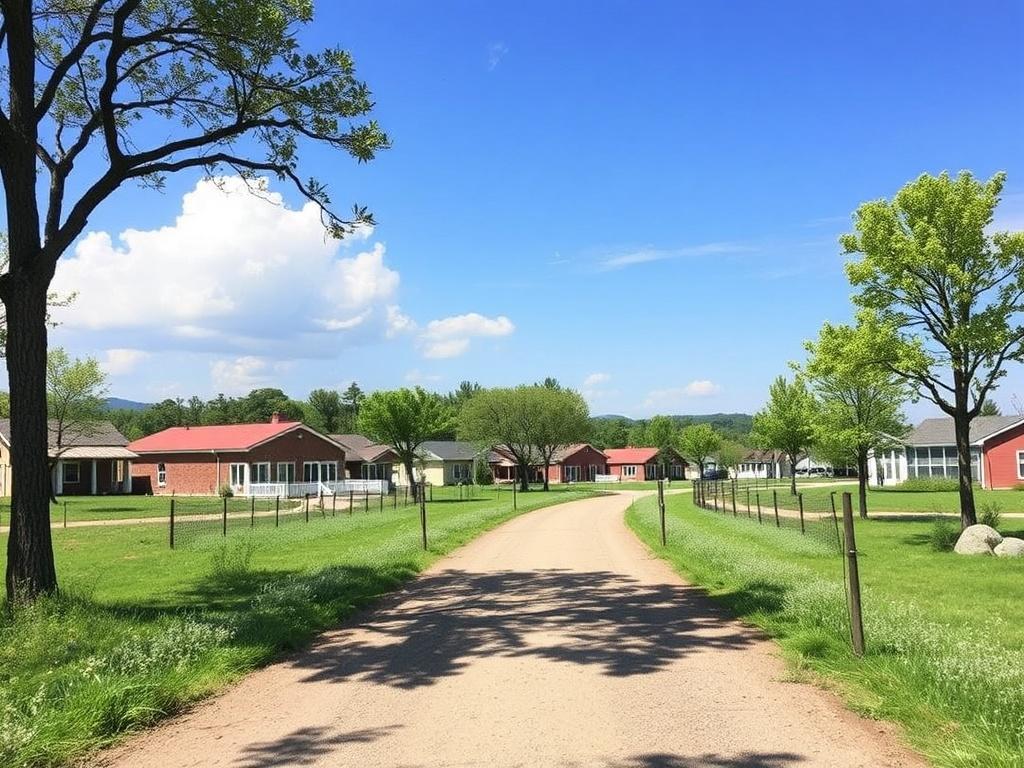
When I started helping people carve out spaces beyond city limits, I quickly learned that land is as much a feeling as it is a square footage number. The dream of a private retreat, a place to grow, or a quiet homestead can blur the lines between wishful thinking and practical planning. This guide helps you separate possibility from risk, so you can enter the process with clear eyes and a solid map in hand.
Clarify your goals and constraints (what you want from rural land)
Before the first showing, sit down with a notebook and answer a few blunt questions. What will you build—home, a cabin, a garden, a small farm, or a weekend retreat? How soon do you want to move, and how flexible are you on timeline? Your answers will shape everything from location to financing to the level of due diligence you’ll perform.
Be honest about non-negotiables: minimum acreage, access to a road, reliable water, or proximity to a town. Then list the nice-to-haves: a view, mature trees, a pond, or space for livestock. These lists aren’t merely mood boards—they guide how you evaluate every potential parcel and prevent you from chasing a dream that isn’t compatible with reality.
Location and access: choosing the right site
Location isn’t just about distance from a city center. It’s about the broader ecosystem: climate, topography, drainage, and even the shape of the parcel. A gently sloping site with good drainage can spare you future headaches, while a flat, flood-prone tract will demand more infrastructure and ongoing maintenance. Think about sun exposure for a home, garden, or solar array, and how wind patterns could affect comfort and energy costs.
Count the practicals first: how far is the parcel from essential services (grocery, medical, schools, emergency services)? Is there a reasonable commute if you’ll work elsewhere, or would rural living become a daily logistics puzzle? If you’re hoping for quiet evenings, also survey the neighbors and the general vibe of the area. Rural does not mean empty; it often means a patchwork of landowners with different expectations about privacy and usage.
Access and infrastructure: roads, utilities, and future plans
Access is more than a driveway. Confirm legal access to a public road and verify any easements or shared driveways that could affect your use or maintenance costs. If the land requires a private road, you’ll need to understand who maintains it and how costs are allocated. A failed access plan can derail a project long after you’ve fallen in love with a view.
Utilities are usually the biggest unknown on rural parcels. Public water and sewer are ideal, but many buyers opt for wells and septic systems. If you’re counting on a particular utility, verify service availability, capacity, and any local rules about wells, septic field setbacks, or footprint limitations. In some counties, interconnection for electricity or internet may complicate timelines or add costs you didn’t anticipate.
Think about logistics for the long term. Will you need a large septic system, irrigation wells, or a septic mound? Are there restrictions on drilling, groundwater use, or well permits? You’ll want a realistic estimate of installation costs and ongoing maintenance, not a pitch-perfect price tag that ignores hidden expenses.
Zoning and land use restrictions: what you can and cannot do
Rural land lives under a patchwork of zoning classifications, overlay districts, and conservation rules. A parcel that’s perfect on paper can be a landmine if its zoning prohibits your intended use. Understand the zoning designation, allowed uses, minimum lot sizes, setbacks, and any required special permits for things like home-based businesses, additional structures, or accessory dwelling units.
In many areas, environmental rules add a layer of complexity. Wetlands, streams, floodplains, and habitat protections can limit building envelopes or require mitigation measures. If you plan to clear land or alter drainage, verify what permissions you’ll need and how much time those approvals typically take. This is not a space to assume “nothing will happen”—better to confirm with the local planning office and, if needed, a land-use attorney.
HOA-like covenants exist too, even on rural parcels. Some neighborhood associations enforce architectural guidelines, exterior appearances, or restrictions on farm equipment storage. If in doubt, request copies of covenants and read them closely to avoid expensive surprises after you’ve already bought in.
Soil, water, and drainage: building on the land
Soil quality dictates what you can grow and how you’ll build. A simple soil test can reveal drainage issues, nutrient availability, and compaction that affect foundation design and lawn health. If you’re planning a garden, orchard, or pasture, nutrient profiles and pH levels matter. Don’t assume soil is uniform across a parcel; pockets of clay, rock, or perched water can complicate drainage and rooting depth.
Water is both a resource and a risk. For rural properties, you’ll often be on a well. Investigate aquifer depth, flow rate, and water quality. If you plan a longer-term living arrangement, you’ll want to know how many gallons you can responsibly extract and how much it may cost to drill and install a well system. If your land relies on surface water or seasonal streams, understand seasonal variability and legal rights to water use.
Drainage is critical for avoiding soggy basements or marshy fields. Check for natural drainage paths, slopes, and the possibility of diverting runoff without harming neighbors. A professional percolation test or a soil engineer’s assessment can save you from costly remediation after purchase. Small, well-planned drainage improvements often pay for themselves through reduced maintenance and improved usability.
Environmental considerations and risk management
Rural parcels come with environmental realities that city buyers rarely confront. Wildfire risk, drought, and flood probabilities should shape your planning. If you’re in a wildfire-prone region, assess defensible space, access for emergency vehicles, and required clearance around structures. If your parcel sits near floodplains or known flood zones, factor flood insurance costs into your budget and consider elevated foundations or raised utilities as part of the design plan.
Environmental restrictions can also arise from endangered species habitats, migratory bird corridors, or protected wetlands. Even if you’re not building immediately, future laws can affect your ability to develop. A quick chat with the local environmental office or a land-use attorney can uncover potential red flags, so you’re not blindsided when you’re ready to break ground.
Due diligence steps: documents, surveys, and professionals
There’s a long list of documents and checks that separate a good deal from a costly misstep. Start with a thorough title search to confirm ownership, check for liens or encumbrances, and verify that the seller has the right to convey the property. Title insurance protects you against hidden defects, but you want to know what those risks might be before you sign.
A recent survey is worth its weight in time and money. It confirms boundary lines, encroachments, and easements, and can reveal fence disputes or misalignment between what you see on the ground and what’s in the deed. If the parcel has irregular boundaries or overlaps with neighboring properties, a professional survey is non-negotiable.
Engage local experts aligned with your plans: a land-use attorney for permitting and compliance, a civil engineer to assess drainage and road access, and a licensed home inspector if you’re considering a structure. Don’t rely on last-minute advice from the seller or a well-meaning neighbor. Thorough due diligence protects you from expensive surprises down the line.
Financing and total cost of ownership
Financing rural land differs from buying a house in town. Lenders may require larger down payments, higher interest rates, or specialized land loans. Some banks view raw land as higher risk, so you’ll want a plan for contingency—extra cash for unexpected survey or permitting costs, as well as a buffer for utility hookups and well drilling if needed.
Beyond the purchase price, calculate total ownership costs. Property taxes on rural parcels can vary widely and may be based on agricultural use or conservation status. Maintenance costs—fence repair, road upkeep on private access, vegetation management, and seasonal access issues—should be part of your budgeting. If you’re planning a long-term project, build a phased financing plan that aligns with your construction timeline and revenue streams.
Negotiating and the art of making a smart offer
Once you’ve done your homework, you’ll be in a strong position to structure an offer that protects you and respects the seller’s interests. Include contingencies for financing, survey results, and title clearance. A reasonable contingency period gives you flexibility without extending the timeline unnecessarily.
Be mindful of the local market dynamics. In a seller’s market for rural land, you may need to balance your maximum price with robust due diligence. In a buyer’s market, you can push for more favorable terms, such as seller concessions for certain improvements or a longer closing window to accommodate permits and well drilling. Regardless of the market, never skip a professional review or skip the title search. Your future returns depend on a clean, defensible chain of title.
Real-life examples and lessons learned
One reader purchased a scenic parcel with a well-documented history of water rights. During due diligence, they discovered a historical easement that restricted access to a portion of the site. Because they spotted it early, they negotiated adjustments to the legal description and obtained a revised survey before progressing. This saved them from a costly conflict after construction began.
Another project involved a land parcel with excellent soils but a steep slope and poor drainage. A civil engineer mapped a grading plan, and the buyers used that plan to apply for building permits as part of their initial submission. The result was a smoother permitting process and a home that sat comfortably on the slope rather than fighting gravity. Real-world examples like these highlight the value of pairing ambition with practical planning.
Checklist: quick reference before you sign
- Verify legal access to a public road and document any easements.
- Request a recent, clear title report and buy title insurance.
- Order a professional land survey to confirm boundaries and encroachments.
- Obtain a preliminary zoning and permitting overview from the local planning office.
- Perform soil tests and assess drainage, plus a groundwater/well feasibility study if needed.
- Assess water, sewer, and utility availability, including connection costs.
- Evaluate flood risk, wildfire exposure, and other environmental constraints.
- Get cost estimates for access improvements, septic, well, and driveways.
- Consult with a land-use attorney or planner to review covenants and restrictions.
- Budget for closing costs and a realistic buffer for unexpected expenses.
Putting it all together: a practical path forward
With the right questions answered, you can map a sensible path from “this could work” to “this is the one.” Start by drawing up a simple decision matrix that weighs parcel features—soil quality, water access, road reliability, and permitting ease—against your goals. Use it to compare two or three top choices side by side. This practice keeps emotion in check and clarity front and center.
Remember that rural land isn’t just a commodity; it’s an ongoing relationship with a landscape that will shape your daily life. The best purchases come from a blend of curiosity, careful price analysis, and honest expectations about what building and living there will entail. If you approach the process with method, you’ll be far less likely to encounter expensive, time-consuming surprises after you’ve already committed.
| Category | Why it matters | What to do |
|---|---|---|
| Access | Legal and practical entry to the property | Confirm deeds, easements, and maintenance responsibilities; obtain a formal access agreement if needed |
| Utilities | Cost and feasibility of water, power, and waste systems | Request feasibility studies; estimate connection and ongoing costs; plan for wells/septic |
| Soil and drainage | Affects building viability and cultivation potential | Order soil tests; assess drainage plans; evaluate need for grading |
| Zoning and covenants | Determines allowable uses and improvements | Consult planning office; review covenants; confirm required permits |
| Environmental and risk factors | Long-term safety and insurance considerations | Assess flood zones, wildfire risk, wetlands; discuss mitigation and insurance options |
As you move forward, document every step. Keep a folder with correspondence, permit applications, and contractor quotes. A well-documented process not only clarifies decisions for you but also strengthens your position when negotiating with sellers or lenders.
If you’re reading this and the idea of rural life feels both exciting and intimidating, you’re not alone. My own projects have taught me that the right land is less about the perfect view and more about the fit—how well the land’s constraints align with your plans and your patience. Take your time with the initial research, lean on professionals when needed, and let the land reveal its true potential as you gather more data, not as you rush to a decision.
To recap the core message: deliberate planning, thorough due diligence, and a clear understanding of local rules are your best tools. When you couple a realistic budget with a grounded view of what you’ll actually build and live in, you’ll move from a dream to a plan with confidence. In the end, the land that’s right for you will feel right in your bones—practical enough to begin, flexible enough to grow, and large enough to hold your ambitions.